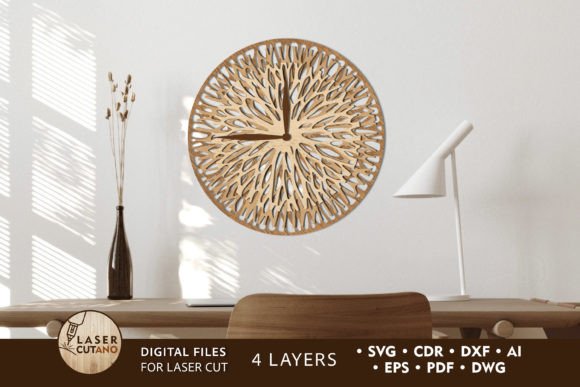
Wooden Wall Clock Cut Template: A Practical Guide for DIY Creators and Makers
There is a distinct satisfaction in watching a raw sheet of material transform into a functional piece of home decor. For makers, hobbyists, and small business owners, the Wooden Wall Clock Cut Template offers more than just a pattern; it provides a structured pathway to creating professional-grade wall art without needing advanced engineering skills. Whether you are running a CNC router in a garage workshop or using a desktop laser cutter for a side hustle, these digital files bridge the gap between concept and completion.
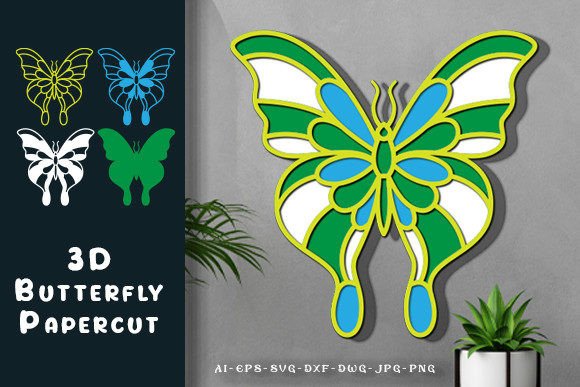
The appeal of a multilayer layout lies in its depth. Unlike flat, single-layer cuts that can look somewhat two-dimensional and plain, a four-layer design creates shadow lines and visual interest. This specific template is designed to be 15 x 15 inches, a size that commands attention on a living room wall without overwhelming the space. It is not just about telling time; it is about adding texture and warmth to an interior through precise craftsmanship.
Why Choose a Multilayer Laser Cut Design?
When browsing for Wall Clock Svg Laser Cut File Dxf Files for Cnc, you will encounter thousands of options. However, the multilayer approach stands out for several practical reasons. First, it hides the mechanical aspects of the clock mechanism. By stacking layers, you create a recessed area where the clock hands and motor can sit flush or slightly protruding, giving the piece a finished, high-end look.
Secondly, layering allows for material contrast. You are not limited to a single shade of wood. You can use light maple for the base, dark walnut for the middle layers, and perhaps a pop of colored acrylic for the face. This versatility makes the Wall Clock Digital multilayer layout files a favorite among designers who want to customize their output for different client preferences or seasonal trends.
Finally, these files are optimized for efficiency. The nesting of parts within the digital file ensures minimal material waste. For entrepreneurs calculating profit margins, this reduction in scrap material directly impacts the bottom line. The template includes all necessary components: the circular face, the hour and minute hands, and the structural layers needed for assembly.
Real-World Applications and Use Cases
Understanding where and how to use these templates can help you maximize their value. Here are several scenarios where this Wooden Wall Clock Cut Template shines:
1. The Home Decor Hobbyist
For the everyday DIY enthusiast, this project is an ideal weekend undertaking. You likely have access to a local makerspace or a friend with a laser cutter. The process is straightforward: download the .zip file, unzip it, and select the format compatible with your machine (such as .DXF or .SVG). After cutting the plywood or MDF, sanding the edges, and applying a simple oil finish, you have a custom piece that matches your living room aesthetic perfectly. It eliminates the frustration of trying to design complex vector paths from scratch.
2. The Etsy Seller and Small Business Owner
If you run an online store selling handmade goods, consistency is key. Using a pre-tested Laser Cut Clock Design ensures that every unit you produce meets a high standard. You can offer customization options—such as choosing between oak, birch, or painted MDF—without changing the core design file. The 15 x 15 inch size is a popular gift item for housewarmings and weddings. By mastering this single template, you can streamline your production line, reducing the time spent on design adjustments and focusing on marketing and fulfillment.
3. Educational Workshops and STEM Classes
Educators and workshop leaders can use this template to teach precision manufacturing and assembly. Students learn about tolerance—the slight gaps needed between layers so they fit together without glue jamming—and the importance of file preparation. Assembling the clock requires logical thinking and fine motor skills. It serves as a tangible result for lessons on geometry, material science, and digital fabrication. The fact that the final product is functional adds a layer of pride and engagement for students.
4. Corporate Gifts and Branding
Businesses often look for unique promotional items that do not end up in the trash. A wooden wall clock is useful and stays visible daily. Companies can modify the top layer of the Wall Clock Svg Laser Cut File to include their logo or brand colors before cutting. Because the files come in formats like .AI and .EPS, graphic designers can easily integrate corporate branding into the existing vector paths. This turns a generic decor item into a sophisticated branded asset.
Technical Considerations Before You Cut
While the digital file does the heavy lifting regarding design, successful execution depends on your preparation. Here is what you need to consider before starting your project.
Material Selection: The template recommends plywood, MDF, acrylic, plexiglas, metal, or cardboard. However, not all materials behave the same. Plywood offers a beautiful grain but may have voids in the inner layers. MDF provides a smooth, uniform surface ideal for painting but produces more dust when cut. Acrylic gives a modern, sleek look but requires different laser settings to avoid melting edges. Always test your speed and power settings on a scrap piece of your chosen material.
File Formats and Compatibility: Upon payment, you receive a .zip folder containing .AI, .SVG, .DXF, .DWG, .CDR, .EPS, and .PDF formats. It is crucial to unzip the folder completely before attempting to open any files. If you are using a Glowforge or similar desktop laser, .SVG is usually the best choice. For industrial CNC routers, .DXF or .DWG files are standard. Ensure your software can read the specific version of the file provided to avoid import errors.
Assembly and Tolerances: The multilayer layout relies on precise stacking. When cutting, ensure your machine is calibrated correctly. If the cuts are too wide (kerf issues), the layers may not align perfectly. Dry-fit the pieces before applying any adhesive. Use wood glue for wooden layers and appropriate cement for acrylics. The clock mechanism itself is not included in the digital file, so ensure you have a standard quartz clock movement kit ready for installation once the wooden structure is assembled.
Maximizing the Value of Your Digital Purchase
Buying a digital template is an investment in time savings. Instead of spending hours drawing vectors and testing cut paths, you start with a proven design. To get the most out of your Wooden Wall Clock Cut Template, consider experimenting with finishes. A natural wood oil highlights the grain, while a matte black paint can make the clock look industrial and modern. You can also mix materials, using wood for the outer frame and a contrasting acrylic for the center face.
Remember that the quality of the final product is determined by the care taken during the finishing stages. Sanding between layers before gluing can prevent rough edges from showing. Taking the time to align the hands correctly ensures the clock is not just decorative, but accurate.
In conclusion, whether you are looking to decorate your own home, start a small manufacturing business, or teach a class on digital fabrication, this template provides a reliable foundation. It combines aesthetic appeal with technical practicality, allowing you to focus on creativity rather than complex design logistics. With the right materials and a bit of patience, the result is a timeless piece of functional art.