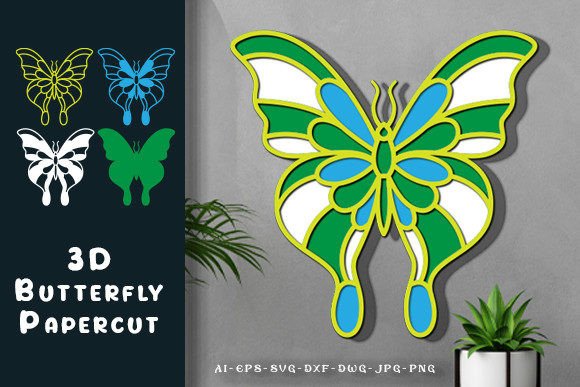
Transforming Flat Sheets into Flight: A Guide to the 3D Butterfly Laser Cut Template
The intersection of digital design and physical craftsmanship has never been more accessible than it is today. For hobbyists, small business owners, and home decor enthusiasts, the ability to turn a simple sheet of material into a stunning piece of art is a game-changer. At the heart of this creative revolution is the 3D Butterfly Laser Cut Template. This isn't just a static image; it is a meticulously engineered blueprint designed to bring depth, movement, and life to laser cutting projects. Whether you are looking to create a unique gift, enhance your living space, or launch a line of handmade goods, understanding how to leverage these templates can unlock a world of artistic possibility.
Understanding the Value of Precision Design
Creating three-dimensional objects from two-dimensional materials requires more than just a pretty picture; it demands precision engineering. A standard image of a butterfly might look nice on a screen, but it lacks the structural integrity needed for assembly. This is where a dedicated 3D Butterfly Laser Cut Template becomes essential. These files are created with specific tolerances that account for the kerf (the width of the laser burn), ensuring that tabs fit perfectly into slots and layers stack seamlessly.
Many crafters face the challenge of designing complex interlocking parts from scratch. It requires advanced knowledge of vector software and an understanding of material behavior. By utilizing a pre-made template, you bypass the steep learning curve of structural design. You gain immediate access to a professional-grade layout that has already been tested for stability and aesthetic appeal. This allows you to focus on what matters most: the selection of materials, the finishing touches, and the joy of creation.
Solving Common Crafting Challenges
When embarking on laser cutting projects, several common hurdles often arise. One significant issue is file compatibility. Hobbyists use a wide array of machines, from desktop diode lasers to industrial CO2 units, each requiring specific file formats. Another challenge is scalability; resizing a design without distorting the intricate details can ruin the final product. Furthermore, achieving a true "3D" effect often involves complex layering strategies that can be difficult to visualize before cutting.
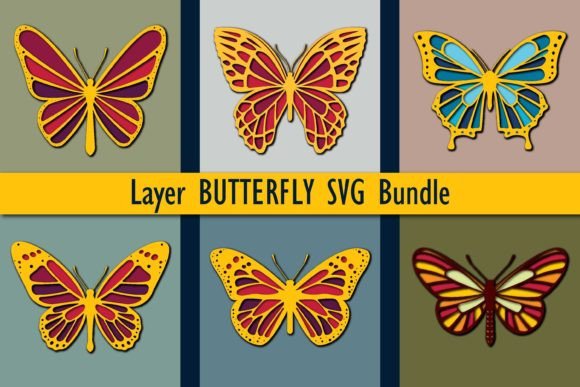
The comprehensive 3D Butterfly Laser Cut Template addresses these pain points directly. By providing a multi-format package, these templates ensure that no matter what software or hardware you own, you can get started immediately. The inclusion of vector files means you can scale the design up or down without losing resolution, allowing you to create anything from a delicate jewelry pendant to a large-scale wall installation. The layered design approach inherent in these templates guides you on how to build depth, solving the problem of flat, uninteresting cutouts.
Versatile Applications for Every Creator
The beauty of the butterfly motif lies in its universal appeal, making the 3D Butterfly Laser Cut Template suitable for a diverse range of applications. How you choose to use this resource depends largely on your goals and audience.
- Home Decor Enthusiasts: For those looking to personalize their living spaces, these templates are perfect for creating dynamic wall art. When cut from wood or acrylic and layered, the shadows cast by the wings add a sophisticated texture to any room. They can be painted, stained, or left natural to match existing decor themes.
- Gift Makers: Finding a meaningful, handmade gift can be difficult. A 3D butterfly assembled from high-quality cardstock or thin plywood serves as a thoughtful present for weddings, birthdays, or anniversaries. The intricacy of the design shows a level of care and effort that store-bought items simply cannot match.
- Small Business Owners: If you have access to a laser cutter, these templates offer a viable path to generating income. You can produce batches of ornaments, wedding favors, or decorative mobiles to sell at local markets or online. The efficiency of using a ready-made template allows for faster production times and higher profit margins.
- Educators and STEM Programs: These templates are excellent tools for teaching geometry, engineering, and art. Students can learn about structural integrity by assembling the layers, exploring how flat shapes transform into volumetric objects.
Navigating the File Formats
To maximize the utility of your download, it is important to understand the different file types included in a standard 3D Butterfly Laser Cut Template package. Each format serves a specific purpose in the workflow:
- AI (Adobe Illustrator) & EPS Files: These are the gold standards for vector editing. If you need to modify the wing patterns, adjust tab sizes, or integrate the butterfly into a larger composition, these files allow for full manipulation within professional design software.
- SVG Files: Ideal for web-based design tools and many entry-level laser cutting software programs. SVGs maintain vector quality while being widely compatible across different platforms.
- DXF & DWG Files: These are critical for users working with CAD (Computer-Aided Design) software like AutoCAD. They ensure precise dimensional accuracy, which is vital for engineering-focused projects or when integrating the butterfly into mechanical assemblies.
- PNG & JPG Files: While not used for cutting, these raster images are invaluable for previewing the project, creating marketing materials for your finished goods, or using as a reference guide during assembly.
Practical Implementation: From Download to Display
Getting started with your project is a straightforward process, but attention to detail will yield the best results. Here is a practical roadmap to bringing your 3D Butterfly Laser Cut Template to life:
First, download the zip archive to your computer and extract the contents. Organize the files by type so you can easily locate the format compatible with your machine's software. Next, open the appropriate vector file in your preferred application. Before sending the job to the laser, always perform a "dry run" or simulation if your software allows it. This helps verify that all paths are closed and that the design fits within your material bed.
Material selection is crucial. For a rustic look, birch plywood or bamboo works beautifully. For a modern, sleek aesthetic, consider colored acrylic or mirror finishes. If you are making paper crafts for cards or invitations, heavy cardstock (around 300gsm) provides enough rigidity to hold the 3D shape without collapsing. Remember to adjust your laser power and speed settings based on the material thickness to ensure clean cuts without excessive charring.
Once cut, the assembly phase begins. This is where the magic happens. Carefully remove the pieces from the waste material. If you are using wood, light sanding may be required to smooth out any minor imperfections. Follow the layering order indicated by the design—usually, the base layer goes down first, followed by the spacers or body segments, and finally the detailed wing layers. Use a high-quality wood glue or acrylic cement to secure the parts. Allow sufficient drying time before handling the finished piece.
Tailoring the Approach to Your Needs
Different users will approach the 3D Butterfly Laser Cut Template with different strategies. A beginner might follow the design exactly as provided, focusing on mastering the cutting and assembly process. An intermediate user might experiment with mixed media, combining wood wings with wire antennae or adding LED lights behind the layers for a glowing effect. Advanced creators might take the vector files and remix them, perhaps merging the butterfly with floral elements or custom text to create entirely new compositions.
Regardless of your skill level, the core benefit remains the same: these templates provide a solid foundation upon which you can build your creativity. They eliminate the frustration of failed designs and incompatible files, allowing you to move quickly from concept to reality. Whether you are decorating a nursery, crafting wedding favors, or prototyping a new product line, the versatility and precision of a well-designed 3D butterfly template make it an indispensable resource in your digital toolkit.
By embracing these resources, you are not just cutting shapes; you are engaging in a process of transformation. You are turning raw potential into tangible beauty, one layer at a time. With the right files and a bit of imagination, the possibilities for what you can create are truly limitless.