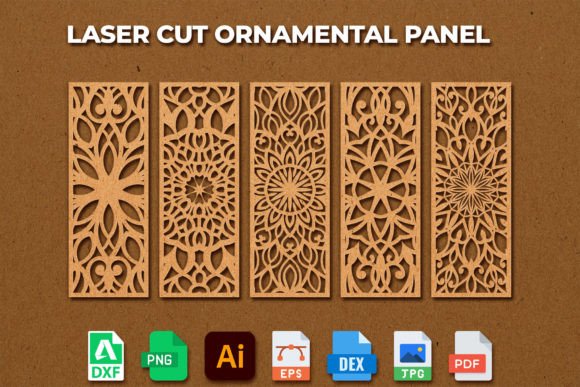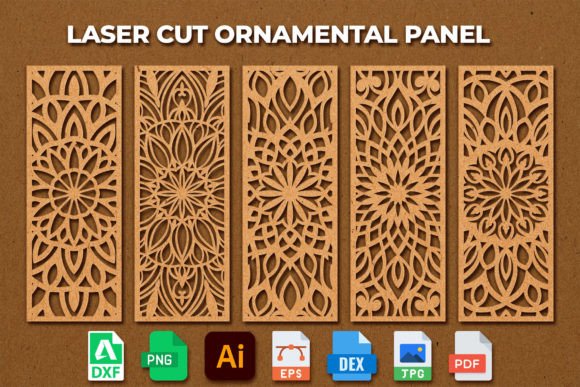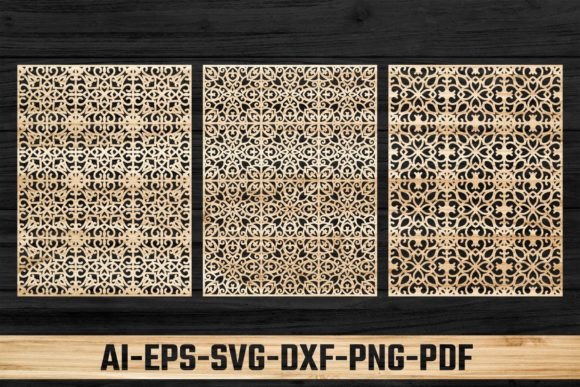
Laser Cut Ornamental Panel Template 13 Guide
Imagine transforming a plain sheet of wood, acrylic, or metal into a stunning piece of art that catches the light and defines a room. This is the core promise of digital fabrication, and Laser Cut Ornamental Panel Template 13 serves as a perfect entry point for realizing that vision. Unlike generic geometric patterns that often feel sterile, this specific template stems from original hand-drawn designs, offering an organic elegance that resonates differently depending on who is holding the file. Whether you are a seasoned CNC operator or someone picking up a hobby knife for the first time, the utility of this design shifts based on your goals, tools, and creative intent.
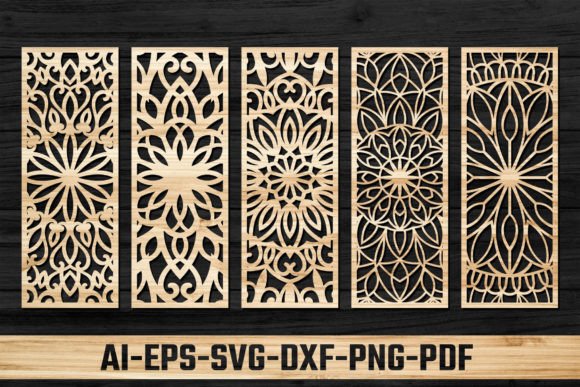
At its simplest, this template is a digital blueprint available in seven distinct formats, including SVG, DXF, EPS, PDF, PNG, JPG, and AI. This versatility is not just a technical specification; it is the bridge between idea and execution. For a professional using industrial plasma cutters, the DXF file ensures precision paths for thick steel. For a crafter using a desktop Cricut to make wedding invitations, the SVG format allows for intricate cutting without tearing delicate cardstock. The ability to resize the template without losing detail means the same design can scale from a small coaster to a massive room divider, adapting to the physical constraints of your project rather than forcing you to adapt to the file.
Why Design Origins Matter to Different Makers
The fact that this ornamental panel was created using original hand-drawn designs might seem like a minor detail to a machine, but it holds significant weight for human creators. Algorithms often produce perfect, repetitive symmetry that can feel cold. Hand-drawn elements introduce subtle variations and flow that mimic nature, adding a layer of warmth to the final product.
For interior designers and home decor enthusiasts, this distinction is crucial. When installing wall decor in a living space or office, the goal is often to create a focal point that feels curated rather than manufactured. A panel derived from hand sketches offers a bespoke aesthetic that elevates the perceived value of the space. It suggests craftsmanship even when the final piece is cut by a machine. Conversely, for engineers or architectural fabricators, the priority might be structural integrity and repeatability. While they appreciate the aesthetic, their evaluation focuses on whether the vector paths are clean enough to prevent burning or warping during high-speed cutting. This template addresses both needs by providing clean vector lines that respect the organic nature of the drawing.
Tailoring the Workflow to Your Skill Level
One of the most challenging aspects of digital downloading files is knowing if they match your current capabilities. The beauty of a multi-format package like this lies in its accessibility across the skill spectrum.
Beginners and Hobbyists often fear complex file setups. If you are new to laser cutting, you might worry about software compatibility or scaling issues. With this template, the inclusion of PNG and JPG previews allows you to visualize the end result before committing to a cut. The SVG and PDF formats are generally plug-and-play for popular consumer machines. A beginner might use this to create a simple stencil for painting a nursery wall or a decorative overlay for a picture frame. The learning curve here is minimal; the focus is on the joy of seeing a digital file become a physical object. The "forgiveness" of the design—its ability to look good even if cut slightly slower or faster than optimal—makes it an excellent practice piece.
In contrast, experienced professionals and freelancers evaluate files based on efficiency and commercial potential. For a small business owner running a custom furniture shop, time is money. They need files that require zero cleanup in Illustrator or CorelDRAW. The availability of EPS and AI files means they can immediately integrate the pattern into larger assemblies, perhaps combining it with other vectors to create a unique cabinet door or a privacy screen for a restaurant booth. For these users, the value proposition is speed and reliability. They aren't just buying a pattern; they are buying a component that speeds up their production pipeline.
Diverse Applications Beyond Wall Decor
While the primary marketing angle often highlights wall art, limiting this template to vertical surfaces ignores its true potential. Different audiences unlock different utilities based on their specific industries.
- Educators and STEM Coordinators: In a classroom setting, this template can serve as a teaching tool for geometry and art history. Students can analyze the curves and intersections, then physically construct the panel to understand material properties. It bridges the gap between digital design classes and hands-on shop work.
- Event Planners and Wedding Professionals: The scalability of the design makes it ideal for event-specific decor. Imagine laser-cutting this pattern onto thin wood veneer to create elegant table numbers, or using it as a stencil for henna-style temporary tattoos at a themed party. The organic lines fit perfectly with bohemian or rustic wedding themes.
- Fashion and Textile Designers: Although often associated with rigid materials, these vector files can drive digital textile printers or guide the cutting of leather and heavy fabrics. A designer could use the pattern to create a unique lace effect on a jacket or a detailed embossing mold for leather goods.
For the DIY homeowner, the application might be purely functional yet stylish, such as creating a vent cover that blends seamlessly with ornate molding or a privacy screen for a balcony that filters sunlight without blocking the breeze entirely. The decision to use this template depends less on what it is and more on what problem you are trying to solve in your environment.
Evaluating Quality and Long-Term Value
When deciding whether to download and utilize a specific design file, several factors come into play beyond the initial visual appeal. Cost is obvious, but the long-term usefulness often dictates the real return on investment.
A key consideration is flexibility. Because this template comes in seven formats, it future-proofs your purchase. Today, you might use a Cricut; tomorrow, you might upgrade to a CO2 laser cutter or outsource to a plasma cutting service. Having the DXF and EPS ensures you are never locked out of your own library due to software changes. For entrepreneurs, this means the asset retains value over years, allowing for product line expansions without needing to redesign from scratch.
Another critical factor is presentation. In the world of handmade goods, the story behind the product matters. Being able to tell a customer that a wall panel is based on original hand-drawn artwork adds a narrative layer that generic stock vectors lack. This can justify a higher price point for finished goods sold on marketplaces like Etsy or at local craft fairs. For the consumer buying the finished product, this translates to owning something that feels unique and soulful, rather than mass-produced.
Ultimately, Laser Cut Ornamental Panel Template 13 is more than just a collection of lines in a ZIP file. It is a versatile tool that adapts to the user's intent. For the novice, it is a safe harbor for learning machine settings. For the pro, it is a reliable component for high-volume production. For the artist, it is a canvas for experimentation with light and shadow. By understanding your own position within this spectrum—whether you prioritize ease of use, commercial speed, or artistic expression—you can better determine how this single design fits into your broader creative or business strategy. The file is ready; the only variable left is your imagination.