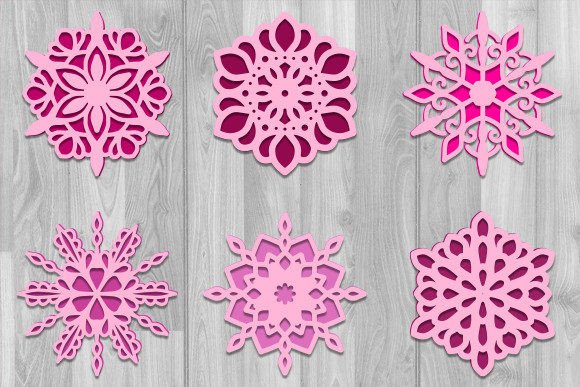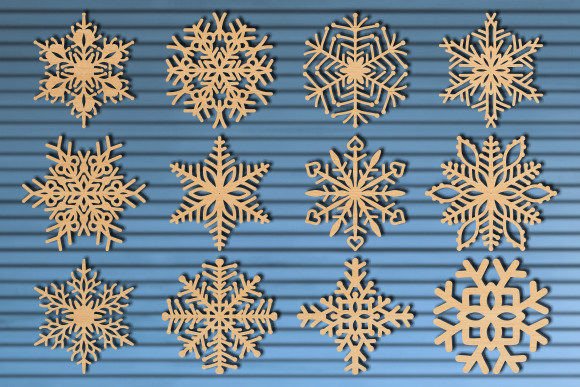
Crafting Winter Elegance: A Comprehensive Guide to Snowflakes Laser Cut SVG Designs
The intersection of digital precision and artistic expression has revolutionized the way creators approach home decor and gift-giving. Among the most captivating motifs in this digital crafting renaissance is the snowflake. While traditional paper cutting requires immense patience and steady hands, modern technology allows for the creation of Snowflakes Laser Cut SVG Design files that translate complex geometric beauty into tangible art with remarkable ease. These designs are not merely simple shapes; they are intricate lattices of symmetry that capture the ephemeral nature of winter ice crystals, preserving them in durable materials for year-round appreciation.
The Artistic Appeal of Intricate Symmetry
Snowflakes have long fascinated scientists and artists alike due to their unique hexagonal symmetry and infinite variation. In the realm of laser cutting, this natural complexity presents both a challenge and an opportunity. A high-quality Snowflakes Laser Cut SVG design leverages vector precision to ensure that every delicate arm and microscopic branch is rendered accurately. Unlike raster images, which can pixelate when scaled, vector-based formats such as SVG, AI, and EPS maintain crisp lines regardless of the final size of the project. This scalability is crucial for creators who may wish to produce a small ornament for a Christmas tree or a large-scale wall installation for a living room foyer.
The aesthetic value of these designs lies in their versatility. They can be minimalist, featuring clean lines and open spaces, or highly ornate, mimicking the fractal patterns found in nature. When cut from materials like wood, acrylic, or metal, the interplay of light and shadow through the cutouts adds a dynamic visual element to any space. This makes the snowflake an ideal subject for decorative art that transcends seasonal boundaries, serving as a symbol of uniqueness and precision rather than just a holiday marker.
Technical Specifications and File Compatibility
For hobbyists and professionals alike, understanding the file formats included in a comprehensive design package is essential for successful project execution. A robust Snowflakes Laser Cut package typically includes a variety of file types to ensure compatibility with different software ecosystems and hardware capabilities. The core of this utility is the SVG file, which is universally recognized by most consumer-grade laser cutters and vinyl cutting machines. Its lightweight nature and code-based structure make it easy to edit and scale without loss of quality.
However, professional users often require more specialized formats. The inclusion of AI (Adobe Illustrator) and EPS files allows graphic designers to modify the vector paths, adjust node points, or integrate the snowflake design into larger composite artworks. For those working in industrial or architectural contexts, DWG and DXF files are indispensable. These formats are native to CAD (Computer-Aided Design) and Autodesk applications, enabling engineers and architects to incorporate snowflake patterns into structural elements, facades, or interior design schematics with precise dimensional control.
Additionally, the provision of high-resolution PNG and JPG files serves a different purpose. These raster images are ideal for digital previews, marketing materials, or sublimation printing processes where vector cutting is not the primary goal. By offering this diverse array of formats, a single design package becomes a versatile tool adaptable to various creative workflows, from DIY home projects to commercial manufacturing.
Material Selection and Cutting Considerations
The final appearance of a laser-cut snowflake is heavily influenced by the material chosen for the project. Each medium offers distinct characteristics that affect both the cutting process and the aesthetic outcome. Wood, particularly plywood and basswood, is a popular choice for its warm, organic feel. When laser-cut, wood edges darken slightly due to charring, which can accentuate the intricate details of the snowflake pattern. However, creators must be mindful of grain direction and thickness to prevent warping or incomplete cuts.
Acrylic, on the other hand, provides a sleek, modern look. Clear or colored acrylics can create stunning effects when backlit, turning a snowflake design into a luminous piece of art. Laser cutting acrylic results in smooth, polished edges, but it requires careful calibration of power and speed settings to avoid melting or excessive fuming. Metal cutting, typically reserved for industrial lasers, allows for durable, weather-resistant decorations suitable for outdoor installations. The rigidity of metal enables finer details that might be fragile in wood or plastic, though it demands higher technical expertise and equipment capabilities.
When working with a Snowflakes Laser Cut SVG design, it is crucial to consider the kerf—the width of the material removed by the laser beam. In highly intricate designs with many small, interconnected parts, even a slight miscalculation in kerf compensation can lead to pieces falling apart or becoming too tight to assemble. Testing cuts on scrap material are recommended to fine-tune settings before committing to the final piece.
Practical Applications and Creative Uses
The utility of snowflake designs extends far beyond simple ornaments. One of the most popular applications is in home decor, where large-scale snowflakes serve as striking wall art. These pieces can be painted, stained, or left in their natural finish to complement various interior styles, from rustic farmhouse to contemporary minimalism. Layering multiple snowflakes of different sizes and materials can create depth and visual interest, transforming a flat design into a three-dimensional installation.
In the realm of event planning, laser-cut snowflakes are invaluable for creating themed atmospheres. They can be used as table centerpieces, backdrop elements for winter weddings, or hanging decorations for corporate holiday parties. Their lightweight nature makes them easy to suspend from ceilings, creating a "falling snow" effect that enhances the ambiance without the mess of real snow. Furthermore, these designs can be incorporated into functional items such as lampshades, where the cutouts cast intricate shadow patterns, or into jewelry, where small, precise snowflakes become elegant pendants or earrings.
For educators and parents, these designs offer engaging STEM activities. Children can learn about symmetry, geometry, and material science by assembling and decorating laser-cut snowflakes. The process of converting a digital file into a physical object provides a tangible lesson in modern manufacturing technologies, bridging the gap between computer skills and hands-on creativity.
Workflow: From Digital File to Physical Art
Creating a physical snowflake from a digital design involves a straightforward yet precise workflow. The first step is acquiring the design file, typically distributed in a compressed ZIP archive. Upon downloading, users must extract the contents to access the various format options. Selecting the appropriate file depends on the software used to control the laser cutter. For most hobbyist machines, the SVG file is the standard choice.
Once the file is uploaded to the cutting machine’s software, several preparatory steps are necessary. Users should inspect the vector paths to ensure there are no open nodes or overlapping lines that could confuse the machine. Setting the correct dimensions is critical; while SVGs are scalable, maintaining the aspect ratio ensures the snowflake’s symmetry remains intact. Power and speed settings must be adjusted according to the material type and thickness. A slower speed with lower power might be needed for intricate details to prevent burning, while thicker materials may require multiple passes.
After the cutting process is complete, careful removal of the snowflake from the material sheet is required. Small tabs or bridges often hold the delicate pieces in place during cutting to prevent them from shifting. These must be gently severed or sanded down. Post-processing may include sanding rough edges, applying sealants or paints, and assembling layered components. The result is a unique, handcrafted piece of art that reflects both the precision of digital design and the touch of human creativity.
Commercial Potential and Entrepreneurial Opportunities
For makers and entrepreneurs, Snowflakes Laser Cut SVG Design files represent a viable product line. The demand for personalized, high-quality home decor continues to grow, and laser-cut items offer a perceived value that mass-produced plastics cannot match. By leveraging these designs, creators can produce a wide range of products, from holiday ornaments to custom wedding favors. The ability to customize colors, materials, and sizes allows for a diversified inventory that can appeal to various market segments.
Selling these items on online marketplaces or at local craft fairs can generate significant revenue. However, success in this arena requires attention to detail and quality control. Consistency in cutting precision, finishing, and packaging is essential for building a reputable brand. Additionally, understanding licensing agreements associated with digital design files is crucial. Many designers offer commercial licenses that allow buyers to sell physical products made from their files, providing a legal framework for entrepreneurial ventures.
In conclusion, the Snowflakes Laser Cut SVG design is more than just a digital asset; it is a gateway to creative expression and commercial opportunity. By combining artistic vision with technological precision, creators can produce stunning works that celebrate the beauty of winter and the elegance of geometric design. Whether for personal enjoyment, educational purposes, or business growth, these versatile designs offer endless possibilities for innovation and craftsmanship.