Mastering 3D Heart Mandala SVG Files for Cricut and Laser Cutting
In the evolving landscape of digital crafting, the intersection of precision technology and artistic expression has opened new doors for creators. Among the most captivating designs to emerge in this space is the 3D Heart Mandala SVG file. This intricate digital asset serves as a bridge between traditional symmetry and modern fabrication techniques, allowing users to produce stunning, multi-layered artworks. Whether you are utilizing a Cricut machine for paper layering or a high-powered laser cutter for wood and acrylic, understanding the nuances of these files is essential for achieving professional-grade results.
The Allure of Intricate Geometric Design
Mandalas have long been symbols of unity and harmony, characterized by their radial balance and complex geometric patterns. When combined with the universal symbol of love—the heart—the result is a visually striking motif that resonates with a wide audience. The 3D Heart Mandala takes this concept further by introducing depth. Unlike flat illustrations, these designs are engineered with layering in mind. Each concentric ring or petal-like structure is designed to sit slightly above or below the next, creating shadows and highlights that give the piece a tangible three-dimensional quality.
For creators, this means moving beyond simple silhouette cutting. It involves strategic planning of material thickness, spacing, and assembly. The beauty of using a pre-designed SVG file lies in the precision of the vector paths. Every curve and angle is mathematically defined, ensuring that when the design is scaled up or down, the integrity of the pattern remains intact. This scalability is crucial for projects ranging from small jewelry pendants to large-scale wall installations.
Compatibility and File Formats: A Technical Overview
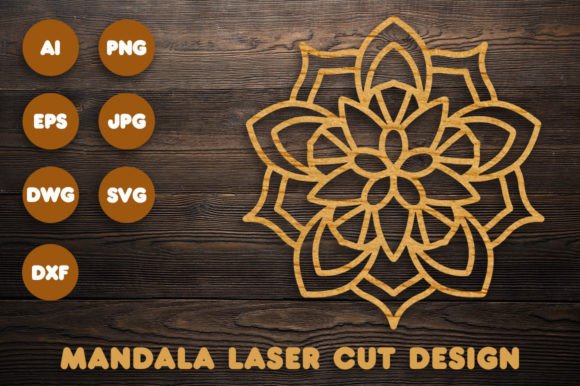
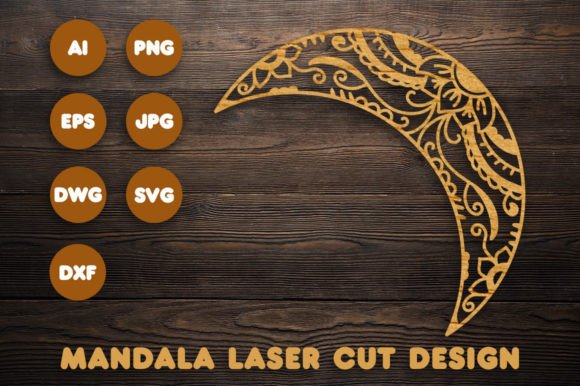
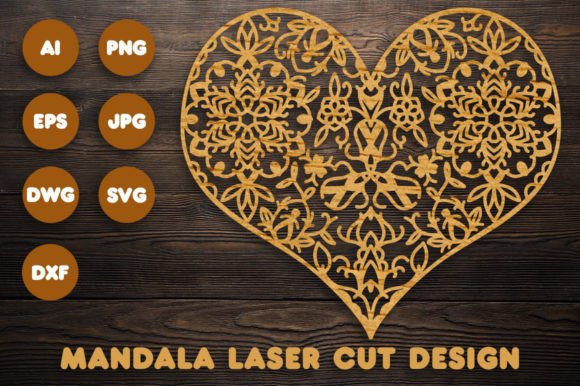
One of the most significant advantages of purchasing a comprehensive digital package is the versatility of file formats. A high-quality heart-shaped mandala laser cut digital file is not limited to a single extension. To accommodate the diverse ecosystem of crafting software and machinery, providers typically offer a suite of formats including SVG, EPS, AI, PNG, JPG, DWG, and DXF.
- SVG (Scalable Vector Graphics): The gold standard for web-based cutting machines like Cricut and Silhouette. It preserves vector data, allowing for clean cuts without pixelation.
- EPS and AI (Encapsulated PostScript / Adobe Illustrator): Preferred by professional graphic designers using Adobe Creative Cloud. These formats allow for easy editing of nodes and paths before sending the design to a cutter.
- DWG and DXF: Essential for users operating industrial laser cutters or CNC machines. These CAD-compatible formats ensure that dimensions are exact, which is critical for engineering-focused applications.
- PNG and JPG: Raster images useful for previewing the design, creating mockups, or using in sublimation printing where vector data is not required.
This broad compatibility ensures that whether you are a hobbyist using free software or a professional running specialized CAM programs, the 3D Heart Mandala SVG files for Cricut and other devices will integrate seamlessly into your workflow.
From Digital File to Physical Art: Practical Applications
The utility of a laser-cut mandala extends far beyond simple decoration. Once the design has been cut out, it can be utilized in a variety of creative and commercial ways. Understanding these applications can help creators maximize the value of their digital purchases.
Wall Art and Home Decor
Perhaps the most popular use case is wall art. By cutting multiple layers of colored cardstock, wood veneer, or acrylic, artists can create shadow boxes that highlight the depth of the mandala. When mounted with foam spacers between layers, the 3D effect becomes pronounced, catching light and creating dynamic shadows that change throughout the day. This makes for an elegant addition to living rooms, bedrooms, or meditation spaces.
Custom Stencils and Painting Guides
For painters and muralists, the mandala file can serve as a precise stencil. By cutting the design from durable mylar or heavy-duty cardstock, users can replicate the intricate pattern onto canvas, walls, or furniture. This method saves hours of hand-drawing and ensures perfect symmetry. The DWG or DXF formats are particularly useful here for scaling the stencil to exact architectural dimensions.
Greeting Cards and Invitations
In the realm of paper crafts, the heart mandala adds a touch of sophistication to greeting cards. Using a Cricut or similar die-cutting machine, crafters can produce delicate lace-like effects on card fronts. The intricate detailing achievable with modern blades allows for fine lines that were previously impossible to achieve by hand. This is ideal for wedding invitations, anniversary cards, or Valentine’s Day gifts.
Considerations for Laser Cutting vs. Blade Cutting
While the design is versatile, the method of fabrication dictates the final outcome. It is important to distinguish between the requirements for blade cutting (Cricut/Silhouette) and laser cutting.
- Kerf and Burn Marks: Laser cutters remove material through vaporization, creating a "kerf" or gap. This must be accounted for in tight-fitting assemblies. Additionally, lasers can leave burn marks on wood, which may require sanding or painting. Blade cutters do not have this issue but may struggle with very intricate internal cuts if the material is too thick.
- Material Thickness: For a true 3D effect, layering is key. Laser cutters can handle thicker materials like 3mm plywood or acrylic, providing substantial depth. Blade cutters are generally limited to paper, cardstock, vinyl, and thin leather. Choosing the right material depends on the desired aesthetic and durability.
- Weeding and Assembly: Intricate mandalas require patience during the "weeding" process—removing excess material from the cut design. Using a weeding tool and a light pad can significantly ease this task. For laser-cut wood, assembly often involves gluing layers together, requiring clamps or weights to ensure a flat, bond-strong finish.
Evaluating Suitability for Your Project
Before diving into a project, consider the end goal. If you are creating a quick, disposable decoration for an event, paper cutting with a Cricut using the SVG format is efficient and cost-effective. However, if you are producing a heirloom piece or a product for sale, investing time in laser cutting wood or acrylic using the DXF or AI files may yield a higher perceived value.
Additionally, consider the complexity of the design. Some mandalas are so intricate that they may be fragile when cut from thin materials. Testing with a small sample piece is always recommended. This allows you to adjust speed and power settings on a laser cutter or pressure settings on a blade machine to prevent tearing or charring.
Conclusion: Empowering Creativity Through Precision
The 3D Heart Mandala SVG file represents more than just a digital download; it is a toolkit for creative expression. By providing the design in multiple formats such as SVG, EPS, AI, PNG, JPG, DWG, and DXF, creators are empowered to choose the best tools for their specific needs. Whether you are a business owner looking to expand your product line with unique home decor, or a hobbyist seeking a challenging and rewarding project, these files offer a foundation for beautiful, intricate art.
As technology continues to make precision cutting more accessible, the barrier to entry for creating complex 3D art lowers. The key lies in understanding the materials, respecting the limitations of your machinery, and embracing the iterative process of creation. With the right approach, a simple digital file can transform into a breathtaking physical object that captures the eye and the imagination.