Elevating Craft with Floral Multilayer Decoration
The intersection of digital precision and organic beauty has never been more accessible than it is today. At the heart of this creative revolution lies Floral Multilayer Decoration, a technique that transforms flat materials into stunning, three-dimensional art pieces. For creators, entrepreneurs, and hobbyists alike, the ability to produce intricate floral designs with laser-cut accuracy represents a significant shift in how we approach crafting, interior design, and product customization. This method is not merely about cutting shapes; it is about building depth, texture, and narrative through layered composition.
In an era where consumers increasingly value handmade aesthetics combined with modern efficiency, floral multilayer files have become an essential resource. These digital assets serve as the bridge between a computer screen and physical reality, allowing users to replicate complex botanical arrangements with a level of detail that would be nearly impossible to achieve by hand. Whether you are a small business owner looking to expand your product line or a designer seeking unique elements for a large-scale installation, understanding the mechanics and potential of these files is crucial.
The Evolution of Precision in Botanical Design
Traditional paper crafting and woodworking have always relied on the steady hand of the artisan. However, the demand for consistency and intricacy has driven the adoption of laser cutting technology. A floral laser cut pattern is no longer just a novelty; it is a standard for high-quality decorative items. The evolution from manual die-cutting to digital laser workflows has democratized access to professional-grade designs.
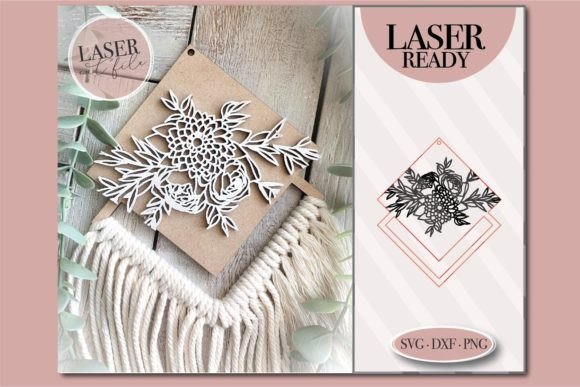
Laser cut files are digital files specifically engineered to guide a laser cutter machine along precise paths. When applied to floral themes, this technology allows for the creation of delicate petals, fine stems, and overlapping leaves that maintain structural integrity. The laser beam effortlessly cuts through materials such as paper, fabric, wood, or metal, resulting in clean and precise edges every time. This capability enables the production of intricate patterns that challenge traditional cutting methods, offering a finish that feels both organic and technically perfect.
As market preferences shift towards personalized and bespoke items, the flexibility of digital files becomes a major asset. Unlike static stencils, digital patterns can be scaled, modified, and adapted to various projects without losing resolution. This adaptability fits seamlessly into modern workflows where speed and customization are paramount. Creators can now iterate designs rapidly, testing different material combinations to see how light and shadow play across the layers of a finished piece.
Understanding Floral Digital Multilayer Files
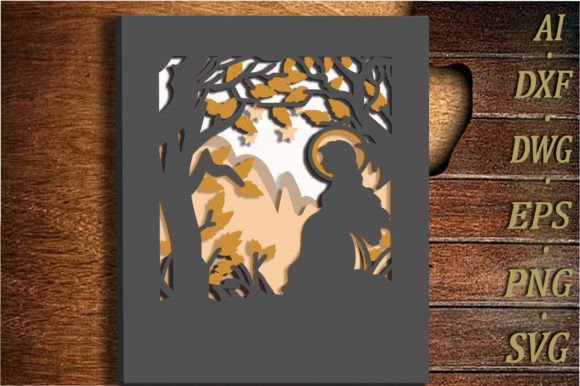
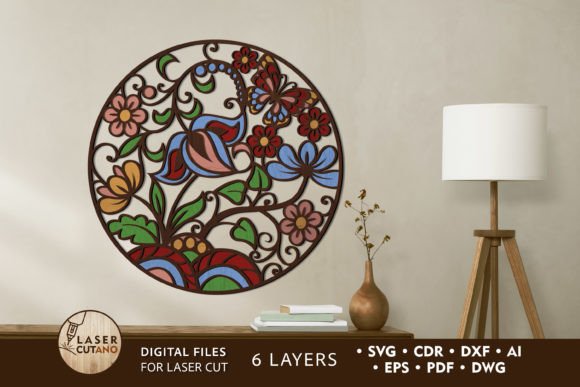
To fully leverage this technology, one must understand the nature of the source material. Floral Digital multilayer files are specially prepared for laser cut, CNC router machines, and other computer-controlled cutting devices. These are not simple images; they are vector-based instructions that tell the machine exactly where to cut, score, or engrave. The "multilayer" aspect is key, as it separates the design into distinct planes that, when assembled, create a sense of volume and realism.
Typically, a comprehensive package provides versatility for any workflow. After payment, users can download a .zip file containing the product in multiple industry-standard formats, including .AI, .SVG, .DXF, .DWG, .CDR, .EPS, and PDF. This variety ensures compatibility with software like Adobe Illustrator, CorelDRAW, AutoCAD, and various CAM programs used by laser operators. It is important to remember to unzip the folder before attempting to use the files to ensure all data is accessible.
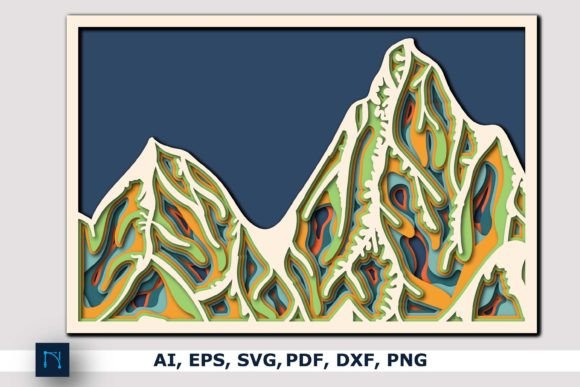
The specifications of these files often dictate the final outcome. For instance, a standard floral multilayer file might be designed for a finished product size of 15 x 15 inches, comprising approximately 7 layers. This layering strategy is critical; too few layers can make the design look flat, while too many can complicate assembly and compromise stability. Seven layers often provide the optimal balance, allowing for gradual transitions in color or material density that mimic the natural growth of a flower.
Material Selection and Practical Application
The choice of material significantly influences the aesthetic of the final Floral Multilayer Decoration. While the digital file remains constant, the physical medium changes the entire character of the piece. Recommended materials vary based on the intended use:
- Paper and Cardstock: Ideal for greeting cards, invitations, and lightweight wall art. The precision of the laser prevents tearing, allowing for incredibly fine details in delicate petals.
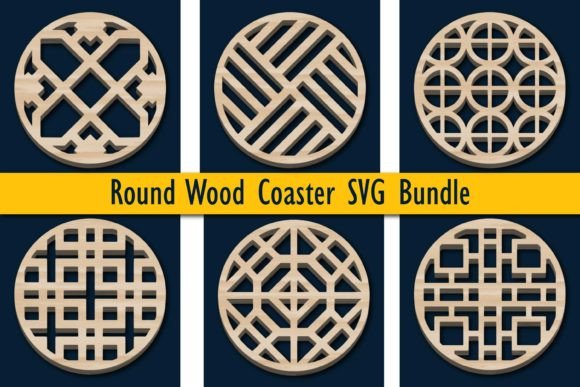
- Wood and Plywood: Perfect for durable home decor, signage, and jewelry. The natural grain adds warmth to the geometric precision of the cut, creating a rustic yet refined look.
- Fabric and Leather: Suitable for fashion accessories, patches, and textured upholstery. Laser sealing edges on synthetic fabrics prevents fraying, extending the life of the product.
- Acrylic and Metal: Used for modern, high-end installations where transparency or industrial strength is required. These materials catch light differently, adding a dynamic element to the floral motif.
For professionals, the ability to switch between these materials without redesigning the pattern streamlines production. A wedding planner might order the same floral design in white cardstock for table numbers and in birch plywood for a welcome sign, ensuring brand consistency across different touchpoints.
Integrating Laser Cut Flowers into Modern Business Models
The rise of the maker economy has created new opportunities for leveraging floral laser cut patterns. Entrepreneurs are finding that these files offer a scalable way to produce inventory. Because the heavy lifting of design is handled digitally, the focus shifts to assembly, finishing, and marketing. This separation of design and production allows businesses to respond quickly to trends. If a specific flower type becomes popular, a creator can simply purchase the corresponding file and begin production immediately.
Furthermore, the educational sector is embracing these tools. Educators and workshop leaders use floral multilayer projects to teach principles of geometry, spatial reasoning, and digital fabrication. The process of taking a 2D vector file and assembling it into a 3D object provides tangible lessons in engineering and art. For students and lifelong learners, seeing a flat sheet of material transform into a blooming rose through the power of technology is both inspiring and instructive.
Marketers and bloggers also find value in these visuals. High-quality, textured photography of layered floral arrangements stands out in crowded social media feeds. Using custom-made props generated from these files can enhance brand storytelling, providing a unique visual identity that stock photography cannot match. The tactile nature of laser-cut goods resonates with audiences tired of purely digital experiences, grounding online brands in physical reality.
Workflow Efficiency and Technical Considerations
Adopting this technology requires a mindful approach to workflow. While the files are ready-to-use, successful execution depends on proper machine calibration and material testing. The recommended material for any specific file should be tested first to determine the correct power and speed settings for the laser. What works for 3mm plywood may burn through 1mm cardstock or fail to cut through 5mm acrylic.
Assembly is another critical phase. With a 7-layer design, alignment is paramount. Many creators develop jigs or templates to ensure each layer sits perfectly atop the previous one. Adhesives must be chosen carefully to avoid warping the material or leaving visible residue that detracts from the clean lines of the laser cut. Some advanced users incorporate interlocking tabs within the design itself, reducing the need for glue and speeding up the assembly process.
It is also worth noting the environmental implications. Laser cutting is generally a subtractive manufacturing process, meaning material is removed to create the shape. Efficient nesting of parts within the digital file can minimize waste, a consideration that aligns with growing consumer demand for sustainable practices. By optimizing the layout of floral elements on a sheet of material, creators can maximize yield and reduce their ecological footprint.
The Future of Decorative Digital Fabrication
As technology continues to advance, the capabilities of floral multilayer decoration will only expand. We are seeing a trend towards hybrid designs that combine laser cutting with other techniques like 3D printing or hand-painting. The precision of the laser provides a perfect canvas for further artistic expression. Additionally, the availability of diverse file formats ensures that these designs remain future-proof, compatible with whatever software or hardware emerges next.
For the curious reader or the seasoned professional, the message is clear: the barrier to entry for creating sophisticated floral art has lowered, but the ceiling for quality has risen. By utilizing high-quality Floral Multilayer Laser Cut File SVG Patterns, creators can produce work that rivals traditional craftsmanship while benefiting from the repeatability and speed of modern machinery. Whether decorating a home, launching a product line, or teaching a class, these tools offer a versatile foundation for innovation.
Ultimately, the appeal of laser cut flowers lies in their duality. They are mathematically precise yet emotionally resonant, digitally born yet physically tangible. In a world that often feels increasingly virtual, holding a multi-layered wooden flower or a delicate paper bouquet reminds us of the enduring power of making things by hand, aided by the incredible precision of machines. As you explore these possibilities, remember that the file is just the beginning; the true value is unlocked in the creativity you apply to its execution.