Elevating Design with 3D Mountain-Cricut SVG-CNC Laser Cut Technology
The landscape of digital fabrication has shifted dramatically in recent years, moving from industrial-exclusive machinery to accessible tools found in home studios and small businesses alike. At the heart of this creative revolution is the 3D Mountain-Cricut SVG-CNC Laser Cut file format, a versatile digital asset that bridges the gap between conceptual art and tangible reality. Whether you are a seasoned entrepreneur scaling a product line, a hobbyist crafting personalized gifts, or a designer exploring new textures, understanding the utility of these layered vector files is essential for modern making.
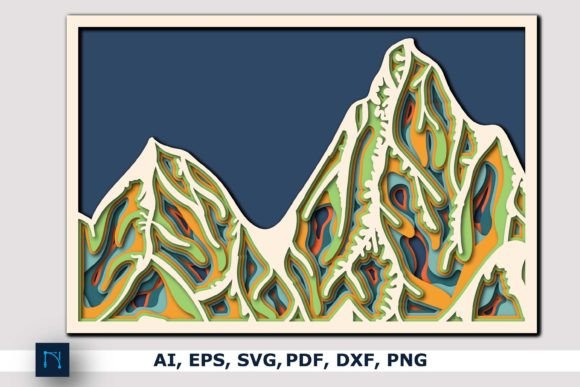
This specific type of digital artwork represents more than just a file download; it is a blueprint for depth. Unlike traditional flat graphics, a 3D mountain design utilizes multiple layers of material—typically wood, acrylic, or cardstock—stacked precisely to create topography and shadow. This technique taps into the growing consumer preference for tactile, high-quality decor that stands out in an increasingly digital world. As people spend more time curating their living and working spaces, the demand for unique, handcrafted items with visual depth has surged, making these cut files a vital resource for creators.
The Evolution of Layered Digital Fabrication
Historically, creating three-dimensional effects required complex molding, carving, or manual assembly that was often cost-prohibitive for independent makers. The advent of affordable CNC laser cutters and advanced die-cutting machines like the Cricut changed this dynamic. However, the hardware is only half the equation. The true enabler of this workflow is the precision of the digital file. The 3D Mountain-Cricut SVG-CNC Laser Cut phenomenon illustrates how software and hardware have co-evolved to democratize manufacturing.
In the past, a designer might have spent hours manually offsetting paths to create layers for a shadow effect. Today, professionally engineered files come ready for production. This evolution reflects a broader trend in the maker community: a shift from spending time on preparation to focusing on execution and finishing. Users now expect files that are not only aesthetically pleasing but also technically optimized for specific machines. A well-constructed file accounts for kerf (the width of the laser cut), material thickness, and registration marks, ensuring that the final assembly fits together seamlessly without gaps or misalignment.
Furthermore, the rise of remote work and the gig economy has fueled interest in these assets. Freelancers and small business owners can now offer custom signage, wall art, and architectural models without maintaining a large inventory. They purchase the digital license, source local materials, and produce on demand. This "just-in-time" manufacturing model reduces waste and financial risk, aligning perfectly with sustainable business practices that resonate with modern consumers.
Understanding the File Ecosystem and Versatility
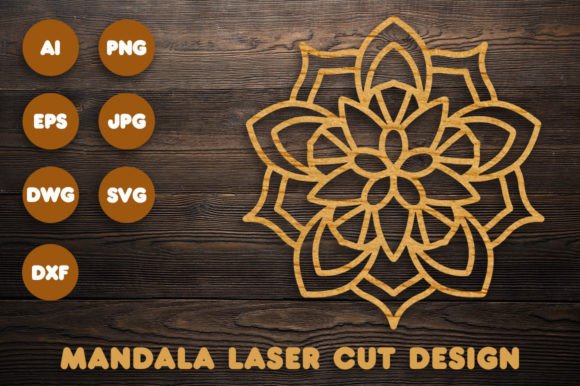
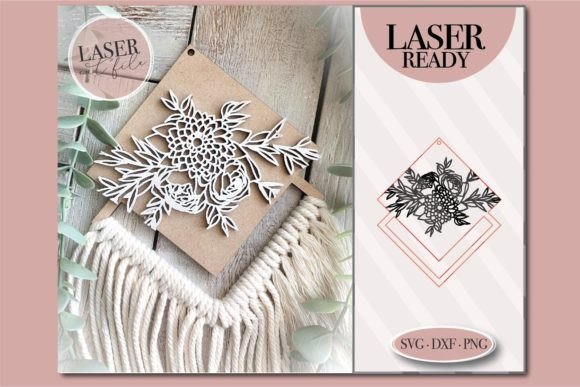
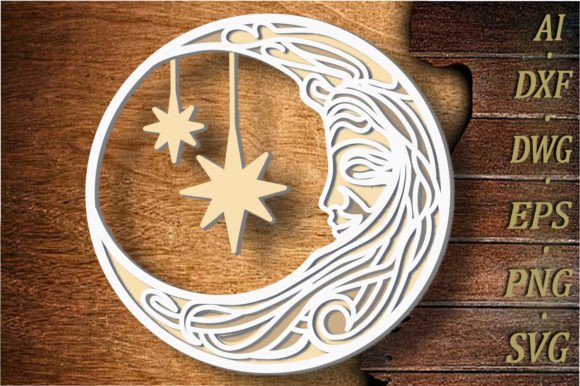
When acquiring a premium design package for projects like the 3D mountain range, versatility is key. A robust digital product does not limit the creator to a single machine or software environment. Instead, it provides a comprehensive suite of formats to ensure compatibility across the entire spectrum of fabrication tools. When you invest in a high-quality bundle, you typically receive a single zip file containing a diverse array of extensions, each serving a distinct purpose in the workflow.
Here is what a comprehensive file package usually includes and how each format empowers your project:
- SVG (Scalable Vector Graphics): This is the industry standard for web-based cutting machines like Cricut and Silhouette. It preserves vector data, allowing you to scale the design infinitely without losing resolution. It is ideal for users who need to edit individual layers or change colors before cutting.
- PNG (Portable Network Graphics): While primarily a raster format, high-resolution PNGs included in these packs are perfect for sublimation printing, watercolor overlays, or using as reference images in design software. They often feature transparent backgrounds for easy integration into other compositions.
- DXF (Drawing Exchange Format): A universal CAD format that ensures compatibility with older software versions and specific engineering programs. It is a reliable fallback if SVG files encounter import issues in certain legacy systems.
- AI (Adobe Illustrator): For professional graphic designers, the native AI file offers the deepest level of editability. It allows for advanced manipulation of anchor points, gradients, and complex path operations within the Adobe ecosystem.
- EPS (Encapsulated PostScript): Another vector standard widely supported by various graphic design applications outside of Adobe, ensuring that users of CorelDraw, Inkscape, or Affinity Designer can access the full potential of the artwork.
- PDF (Portable Document Format): Useful for viewing the design at scale, printing templates for manual tracing, or sharing proofs with clients who do not have specialized design software.
Receiving all these formats in one convenient zip file streamlines the creative process. It eliminates the frustration of hunting for compatible files or converting formats, which can sometimes introduce errors or corrupt data. Moreover, the ability to easily resize the artwork to your required dimensions is a critical feature. Whether you are creating a small coaster set or a massive lobby installation, the vector nature of SVG, AI, EPS, and DXF files ensures that the geometry remains crisp and accurate regardless of the scale.
Practical Applications for Professionals and Hobbyists
The utility of the 3D Mountain-Cricut SVG-CNC Laser Cut extends far beyond simple decoration. For interior designers, these files offer a way to create custom focal points that reflect a client's love for nature or adventure. A layered mountain scene can serve as a sophisticated backdrop in a corporate office, evoking stability and growth, or as a serene element in a residential nursery. The interplay of light and shadow created by the layered materials adds a dynamic quality that changes throughout the day, something flat prints cannot achieve.
In the realm of education, these files are excellent tools for teaching geography, geology, and spatial reasoning. Educators can print and assemble topographical maps that allow students to physically interact with elevation data. This hands-on approach enhances learning retention and makes abstract concepts concrete. Similarly, architects and real estate agents use similar layering techniques to create stylized site plans or promotional materials that highlight the terrain of a property development.
For entrepreneurs, the low barrier to entry is particularly appealing. Since these are strictly digital files with no physical items shipped, the overhead costs are minimal. A creator can purchase the file, test a prototype using scrap wood or acrylic, and list the finished product on marketplaces like Etsy or Shopify within days. The scalability of the design means that if a particular style gains traction, the producer can simply adjust the size parameters and run more cuts without needing new tooling or molds.
Navigating the Digital-Only Landscape
It is crucial for buyers to understand the nature of this transaction. When you purchase a 3D Mountain-Cricut SVG-CNC Laser Cut package, you are acquiring intellectual property and data, not a finished good. No physical item will be shipped to your door. This distinction is vital for managing expectations and planning your workflow. Upon purchase, you will download the zip file immediately, granting you instant access to start your project.
This digital-first approach offers significant advantages. It removes shipping delays, reduces carbon footprints associated with logistics, and allows for immediate iteration. If a designer needs to tweak a layer thickness or adjust the spacing between peaks, they can do so instantly in their software before sending the job to the cutter. However, it does place the responsibility of material sourcing and assembly on the user. Success depends on selecting the right substrate—whether it is birch plywood for a natural look, colored acrylic for a modern pop, or heavy cardstock for paper crafts—and calibrating the machine settings accordingly.
Future-Proofing Your Creative Workflow
As technology continues to advance, the line between digital design and physical production will blur even further. The skills developed through working with layered vector files are transferable and future-proof. Learning how to manipulate SVG and DXF files prepares creators for emerging technologies like 3D printing augmentation and hybrid manufacturing processes. The logic used to stack layers for a 3D mountain effect is fundamentally similar to the slicing logic used in additive manufacturing.
Moreover, the community surrounding these file types is vibrant and supportive. Online forums and social media groups are filled with tutorials, material recommendations, and troubleshooting tips specific to these designs. Engaging with this community allows creators to stay updated on best practices, new material innovations, and creative variations of the base design. It transforms a solitary activity into a collaborative endeavor where knowledge is shared freely.
In conclusion, the 3D Mountain-Cricut SVG-CNC Laser Cut represents a convergence of artistic vision and technological capability. It empowers individuals to produce professional-grade, three-dimensional art with precision and ease. By providing a comprehensive suite of file formats including SVG, PNG, DXF, AI, EPS, and PDF, these digital packages cater to a wide range of tools and skill levels. Whether for business expansion, educational purposes, or personal expression, these files offer a flexible and efficient pathway to bringing dimensional ideas to life. As the maker movement matures, the value of high-quality, versatile digital assets will only continue to grow, making them an indispensable part of the modern creator's toolkit.