American Rainbow 3D Paper Cut Guide
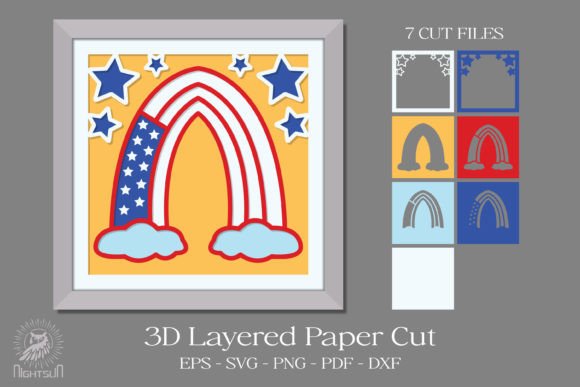
There is a distinct moment in the creative process when a flat concept needs to leap off the page. You are not just looking for decoration; you are searching for depth, texture, and a tangible sense of celebration. This is where the American Rainbow 3D Layered Paper Cut aesthetic transforms from a simple trend into a powerful design tool. While often mistaken for a traditional typeface due to its structured letterforms, this style represents a sophisticated approach to layered visual storytelling. It captures the whimsical charm of hand-crafted papercraft while maintaining the precision required for professional brand identity and high-end packaging design.
For designers, marketers, and small business owners, understanding how to leverage this specific visual language is crucial. It is not merely about adding color; it is about constructing a narrative through shadow, layering, and vibrant hues. When executed correctly, these design assets do more than catch the eye—they invite the viewer to look closer, creating a tactile experience even in digital spaces.
The Visual Personality of Layered Depth
The appeal of the American Rainbow style lies in its ability to balance playful energy with structural integrity. Unlike a standard script font that relies on fluid motion or a rigid serif font that demands tradition, this layered approach offers a unique middle ground. It feels handmade yet precise, organic yet geometric. The "rainbow" aspect does not necessarily imply a chaotic spectrum but rather a curated palette that guides the eye through the layers of the cut.
Visually, this style mimics the physical act of cutting paper. Each layer casts a subtle shadow on the one beneath it, creating a convincing illusion of three-dimensionality. This depth is critical in modern typography trends where flat design is evolving into "flat 2.0" or semi-realistic interfaces. The personality here is approachable and joyful, making it an excellent choice for brands that want to appear friendly without sacrificing professionalism. It avoids the sterility of some sans serif font options while steering clear of the informality that sometimes plagues handwritten font choices.
When you incorporate these elements into your work, you are signaling creativity and attention to detail. The layered effect suggests that thought has gone into every angle and overlap. For a creative font enthusiast, this is the holy grail: a style that stands out in a crowded feed but remains legible enough to convey a clear message. It works particularly well because it breaks the monotony of standard grid-based layouts, introducing dynamic movement without causing visual clutter.
Strategic Applications Across Media
Knowing where to apply this aesthetic is half the battle. While it might be tempting to use it everywhere, the American Rainbow 3D Layered Paper Cut style shines brightest in specific contexts. Its strength is in display font applications—headlines, logos, and hero images where size allows the details to breathe.
- Logo Design: For boutique businesses, bakeries, children’s brands, or creative agencies, a logo built with this layered technique becomes an instant icon. It differentiates the brand from competitors using standard vector marks.
- Social Media Graphics: In a scroll-heavy environment, depth stops the thumb. Using these layers for quote cards, event announcements, or product highlights increases engagement rates by adding visual weight to the post.
- Packaging Design: Imagine a box label that looks like it has been physically constructed from multiple sheets of cardstock. This tactile illusion can elevate perceived value, making the product feel artisanal and premium.
- Editorial Design: In magazines or digital blogs, using this style for chapter headers or pull quotes creates a rhythmic break in the text, guiding the reader through the content with visual landmarks.
However, caution is advised in web design body text. Due to its complex nature, this style is not suitable for long-form reading. It is a spotlight performer, not a workhorse. Use it to anchor the page, then pair it with a clean, highly readable typeface for the supporting content. This contrast ensures that your font pairing enhances readability rather than compromising it.
Enhancing Brand Perception and Hierarchy
Beyond aesthetics, this style serves a functional role in visual hierarchy. In marketing materials, you often have seconds to communicate your primary message. The bold, colorful nature of the American Rainbow cut naturally draws the eye to the most important information. By reserving this style for key headlines, you create a clear path for the viewer’s gaze.
This consistency builds recognition. If a brand consistently uses this layered, colorful approach in its commercial font applications, audiences begin to associate that depth and vibrancy with the brand itself. It becomes part of the visual vocabulary, much like a specific color or shape. For entrepreneurs and content creators, this means that every asset—from Instagram stories to email headers—reinforces the same energetic and creative brand promise.
Moreover, it influences perceived professionalism. Poorly executed decorative fonts can look amateurish, but high-quality layered vectors demonstrate technical skill. When clients see that you understand how to manage shadows, layers, and color harmony, they trust your capability in other areas of design. It signals that you value quality and are willing to invest in premium font resources that offer versatility and polish.
Practical Guidance for Implementation
Integrating this style into your workflow requires the right tools and a strategic mindset. When you acquire a package like the American Rainbow 3D Layered Paper Cut, you are typically receiving a suite of files designed for maximum flexibility. Understanding what you get is essential for efficient production.
First, consider the file formats. You will likely receive SVG For Cutting files, which are indispensable if you plan to take the design from screen to physical reality using plotter machines or laser cutters. For digital designers, the file AI CS6 and file EPS formats ensure that you can edit every anchor point, adjust colors, and scale the graphics infinitely without losing quality. These vector formats are the backbone of professional logo design and print work.
If you are working in web environments or need quick mockups, the High Quality PNG files with transparent backgrounds save hours of export time. They allow you to drop the element directly into Photoshop or Canva and start composing immediately. Additionally, having a file PDF is useful for proofing and sharing concepts with clients who may not have design software, while the file DXF opens doors for industrial fabrication and CAD users.
When evaluating project fit, ask yourself: Does this design need to feel tactile? Is the goal to evoke joy or nostalgia? If the answer is yes, this style is a strong candidate. Always test your font pairing early. Place the layered headline next to your body text. If the body text is too decorative, the design will feel chaotic. Stick to neutral sans-serifs for balance.
Finally, always review licensing. Whether you are working on a personal hobby project or a large-scale commercial font campaign, ensure your usage rights align with the license provided. Most premium packages offer broad commercial use, but verifying this protects your business and your clients. By treating these design assets as integral components of your brand strategy rather than mere decorations, you unlock their full potential to engage, delight, and convert your audience.