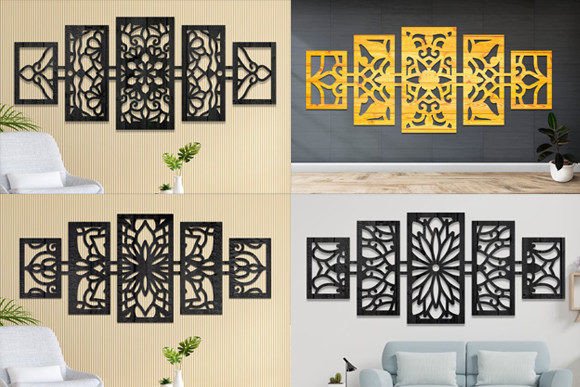
Evaluating the Laser Cut Decorative Mandala Panel Set for Multi-Layer Projects
For creators working with digital fabrication tools, selecting the right design file is often more critical than the machine itself. A Laser Cut Decorative Mandala Panel Set represents a specific category of digital assets designed to leverage the precision of laser cutters and CNC routers. Unlike single-layer stencils or simple silhouette cuts, these sets are engineered for depth, utilizing a layered approach to create three-dimensional visual interest from flat materials. Understanding the nuances of these files, their format compatibility, and their practical applications is essential for anyone looking to invest time and material into complex decorative projects.
The Distinctive Nature of Layered Mandala Designs
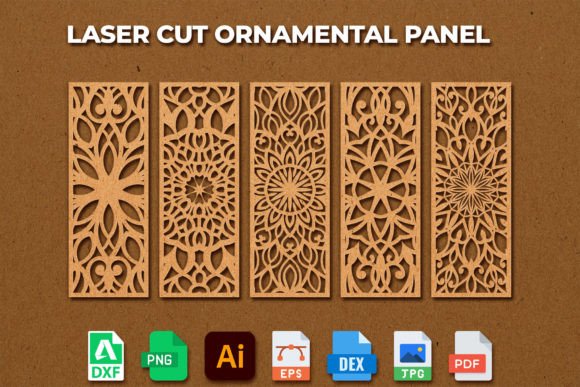
The primary distinction of a Laser Cut Mandala Decorative Panel set lies in its multilayer architecture. Traditional laser cutting often involves cutting a single shape out of a sheet of wood, acrylic, or metal. While effective for signage or simple ornaments, single-layer designs can lack visual weight and shadow play. A layered mandala design addresses this by breaking a complex pattern into multiple discrete planes. When stacked, these planes create shadows, depth, and a sense of movement that changes depending on the viewing angle and lighting conditions.
This approach requires a different mindset during the preparation phase. Users must consider material thickness, adhesive methods, and spacing between layers. A well-constructed Panel Laser Cut File SVG Cricut compatible set will account for these variables, providing vectors that align perfectly when assembled. The complexity of the mandala pattern—often featuring intricate radial symmetry and fine details—demands high-resolution vector data to ensure that small bridges and delicate connections do not burn away or break during the cutting process.
File Format Compatibility and Software Integration
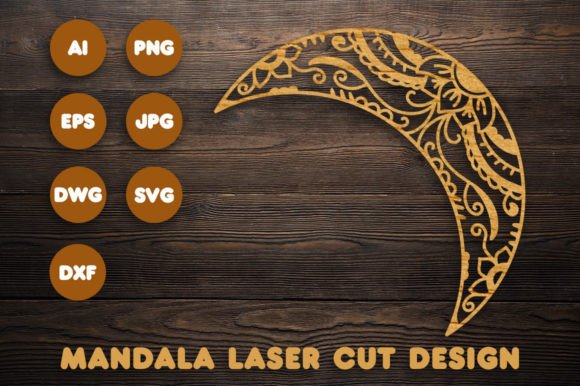
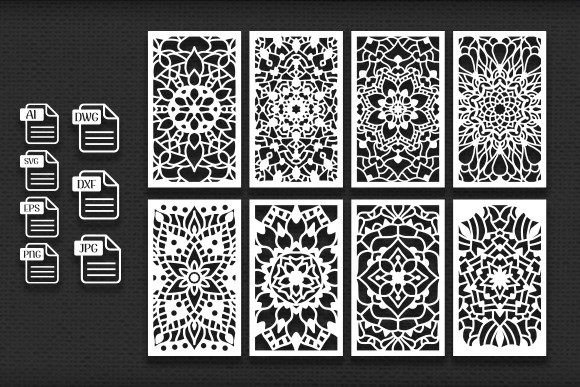
One of the most significant factors in evaluating a digital design bundle is the versatility of the included file formats. Professional-grade packages typically offer a comprehensive suite of extensions to accommodate various hardware and software ecosystems. When reviewing a Laser Cut Decorative Mandala Panel Set, you should expect access to industry-standard vectors such as SVG, DXF, DWG, AI, and EPS.
- SVG (Scalable Vector Graphics): Ideal for users operating browser-based tools like Cricut Design Space or Silhouette Studio. This format preserves scalability without losing quality, making it perfect for hobbyists who may not have access to professional CAD software.
- DXF and DWG: These are the backbone of computer-aided design (CAD). If you are using Autodesk applications, Fusion 360, or specialized laser control software like LightBurn, these files provide precise geometric data. They are crucial for ensuring that dimensions remain exact when scaling the project up or down.
- AI and EPS: Adobe Illustrator and Encapsulated PostScript files are the standard for graphic designers. They allow for extensive editing of nodes, stroke weights, and layer organization before sending the job to the cutter.
- PNG and JPG: While not used for cutting paths, high-resolution raster images are valuable for previewing the final look, creating marketing materials, or using as a reference for hand-painting details after assembly.
The availability of both DWG and DXF files specifically signals that the design is suitable for industrial or semi-industrial applications where tolerance stacking is a concern. Hobbyist-focused bundles sometimes omit these CAD-specific formats, limiting their utility for users with advanced machinery.
Comparing Layered Sets to Single-Layer Alternatives
When deciding between a layered mandala set and a standard single-layer alternative, the decision largely depends on the intended aesthetic and the available resources. Single-layer designs are undeniably faster to produce. They require less material, no assembly time, and minimize the risk of alignment errors. For high-volume production runs where speed is the priority, a simple cut file is often the superior choice.
However, the Laser Cut Decorative Mandala Panel Set offers a value proposition that single layers cannot match: tactile engagement and visual sophistication. In interior design contexts, such as room dividers, wall art, or lamp shades, the interplay of light through multiple layers creates a dynamic effect. A single sheet of plywood with a mandala cut out may look flat against a white wall. In contrast, a five-layer stack of the same design, spaced with small risers, casts intricate shadows that transform throughout the day as natural light shifts.
Furthermore, layered designs allow for mixed-media experimentation. A creator might choose to stain the bottom layer a dark walnut, leave the middle layers natural, and paint the top layer a metallic gold. This level of customization is impossible with a monolithic cut. The trade-off, naturally, is time. Assembly requires patience and precision. Users must decide if the enhanced aesthetic justifies the additional labor hours required for gluing, clamping, and aligning the components.
Material Considerations and Practical Limitations
Executing a Layered Laser Cutting project successfully requires careful material selection. Not all substrates behave the same way when cut into fine, intricate patterns. Thin woods like birch plywood are popular due to their consistent thickness and clean edges, but they can be fragile if the design features very thin struts. Acrylic offers a modern, translucent look that enhances the layering effect, especially when backlit, but it requires different power and speed settings on the laser to avoid melting or excessive charring.
A common limitation encountered with complex mandala sets is the "weeding" process—the removal of negative space pieces. In highly detailed radial patterns, small internal pieces can be difficult to remove without damaging the surrounding structure. Some design sets mitigate this by including "drop-out" modifications or suggesting specific kerf offsets to make removal easier. When evaluating a product, check if the seller provides guidance on kerf compensation, as this varies between machines (e.g., a CO2 laser vs. a diode laser).
Additionally, the structural integrity of a multi-layer panel depends heavily on the bonding method. Standard wood glue works well for porous materials but can cause warping if applied too liberally. For acrylics, solvent cements are necessary. The design file itself does not solve these physical challenges, but a well-documented Laser Cut Mandala Decorative Panel set often includes instructions or tips regarding assembly sequences to prevent misalignment.
Decision Factors: When to Choose This Approach
Selecting a Laser Cut Decorative Mandala Panel Set is the right move when your project goals prioritize uniqueness and depth over speed. This approach is particularly well-suited for:
- Custom Home Decor: Creating statement pieces like headboards, privacy screens, or decorative ceiling tiles where the play of light and shadow is a key design element.
- Gift Giving: Hand-assembled layered items carry a perceived value and personal touch that mass-produced single-layer items lack.
- Prototyping and Modeling: Architects and designers sometimes use layered mandala patterns to explore structural geometries or decorative facade elements before full-scale fabrication.
Conversely, if you are producing items for a craft fair where price point and turnover speed are critical, or if you are new to laser cutting and still mastering focus and power settings, starting with simpler, single-layer files may be more prudent. The learning curve for aligning multiple layers adds a variable that can lead to wasted material if not managed carefully.
Final Thoughts on Digital Asset Selection
The market for digital cutting files is vast, ranging from free, low-quality downloads to premium, engineer-tested bundles. A high-quality Panel Laser Cut File SVG Cricut and CAD-compatible package saves time in the preprocessing stage. It ensures that paths are closed, nodes are optimized, and layers are correctly named for easy identification in your software. Before purchasing or downloading, always verify that the file types match your workflow capabilities. If you rely on Autodesk products, ensure the DWG and DXF files are included; if you are a Cricut user, confirm the SVG is properly layered upon import.
Ultimately, the value of a Laser Cut Decorative Mandala Panel Set is realized in the final assembly. The transition from a digital vector to a physical, multi-dimensional object is a rewarding process that highlights the capabilities of modern fabrication tools. By understanding the requirements of layered design—from file formats to material physics—creators can make informed decisions that lead to successful, visually stunning outcomes.
If you have specific questions regarding file compatibility with your machine setup or need clarification on the layering structure of a particular design, reaching out to the provider directly is recommended. Clear communication ensures that the digital asset you choose aligns perfectly with your creative vision and technical constraints.